


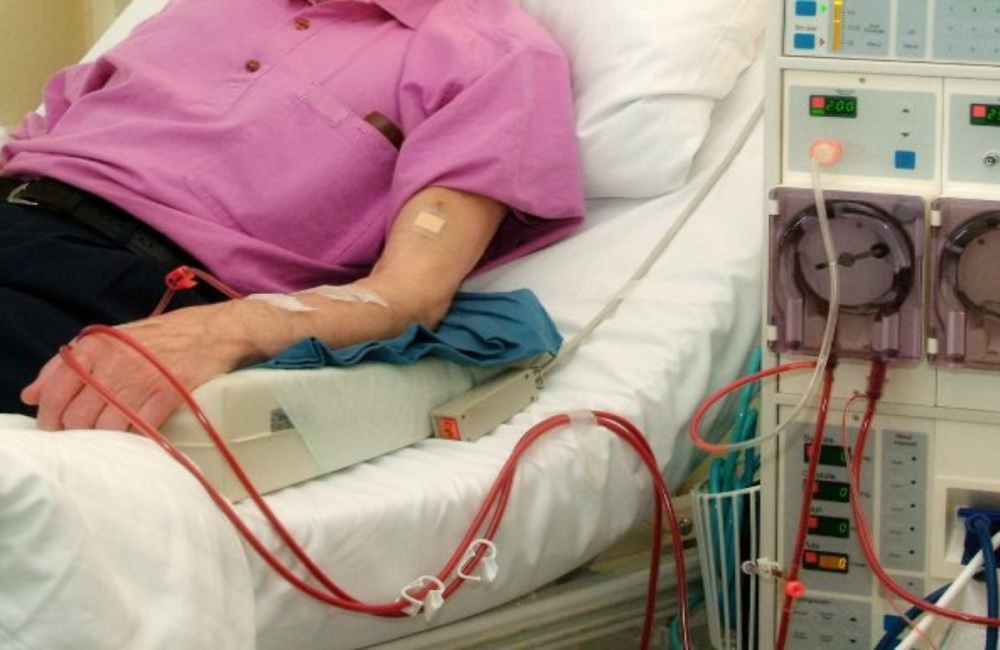
Hemodialysis is recommended when the kidneys are no longer able to properly filter waste, toxins, and excess fluid from the body. When this happens, harmful substances begin to build up in the bloodstream, affecting vital organs such as the heart, lungs, and brain. Understanding who needs hemodialysis is important because early recognition of symptoms and lab changes can help prevent serious complications and support timely medical intervention.
This guide is designed to help you identify warning signs, understand key laboratory test criteria, and learn the real clinical indicators that doctors use when deciding whether hemodialysis is necessary. It also aligns with patient care approaches in structured kidney programs, such as those provided, where kidney hemodialysis care is guided by medical assessment and patient-specific needs.
In real clinical practice, hemodialysis decisions are not based on a single symptom alone but on a combination of kidney function tests, overall health condition, and how the body responds to declining kidney performance. At NephroPlus, these evaluations are carefully assessed by healthcare professionals to ensure each patient receives appropriate and timely care. If kidney function continues to drop without intervention, hemodialysis becomes a critical treatment option to help maintain stability and quality of life.
Understanding Hemodialysis
Hemodialysis is a life-sustaining treatment that filters waste, toxins, and extra fluid from the blood when the kidneys can no longer perform these functions.
Healthy kidneys maintain balance in the body by continuously filtering blood. When kidney function declines, waste products such as urea and creatinine build up, affecting the heart, brain, and other organs.
In the Philippines, chronic kidney disease is a growing public health concern. Thousands of Filipinos undergo hemodialysis treatment each year, and CKD remains one of the leading causes of morbidity and mortality in the country, according to national health authorities such as the Department of Health Philippines and the National Kidney and Transplant Institute.
Who Needs Hemodialysis?
A person may need hemodialysis when kidney function drops to a critical level, usually Stage 5 CKD (kidney failure).
Hemodialysis is also needed in emergencies such as acute kidney injury.
Common groups who may need hemodialysis:
Stage 5 CKD patients (eGFR <15)
Severe acute kidney injury cases
Patients with fluid overload are not responding to medication
Dangerous potassium imbalance (hyperkalemia)
Severe toxin buildup symptoms
Key Symptoms That May Indicate the Need for Hemodialysis
1. Persistent fatigue or generalized weakness
Waste buildup in the blood reduces the body’s ability to produce and use energy efficiently. Oxygen delivery to tissues also becomes less effective, leading to constant tiredness even after rest. In advanced kidney disease, this symptom often signals the need for medical evaluation for hemodialysis.
2. Swelling in the body
Fluid retention occurs when the kidneys can no longer remove excess water and sodium from the body. This swelling is commonly seen in the legs, ankles, hands, and around the eyes. Persistent or worsening swelling may indicate declining kidney function requiring hemodialysis assessment.
3. Shortness of breath
When fluid accumulates in the lungs, breathing becomes difficult and may worsen when lying down. This condition is often linked to advanced kidney failure, where fluid balance is severely affected. In such cases, hemodialysis may be recommended to help remove excess fluid from the body.
4. Nausea and vomiting
Toxin accumulation in the bloodstream can disrupt normal digestive function and reduce appetite. This often leads to nausea, vomiting, and unintended weight loss in kidney patients. When symptoms persist, doctors may evaluate whether hemodialysis is needed to clear waste from the blood.
5. Confusion or memory issues
High levels of toxins in the blood can affect brain function and reduce mental clarity. Patients may experience difficulty concentrating, memory lapses, or confusion in daily tasks. These neurological symptoms are serious indicators that kidney function may be severely compromised and require hemodialysis review.
6. Reduced urine output
A noticeable decrease in urine production often signals that the kidneys are losing their filtering ability. In advanced stages, urine output may become extremely low or stop entirely. This is a key warning sign that hemodialysis may be necessary to support kidney function.
Medical Test Criteria for Hemodialysis
Doctors use lab tests and clinical signs to determine whether hemodialysis is needed.
1. Estimated Glomerular Filtration Rate (eGFR)
𝑒𝐺𝐹𝑅<15 mL/min/1.73m2⇒Severe kidney failure (CKD Stage 5)
When eGFR drops below 15, kidney function is severely reduced, and hemodialysis planning begins.
2. Serum Creatinine
Creatinine is a waste product filtered by the kidneys. Rising levels indicate worsening kidney function.
3. Blood Urea Nitrogen (BUN)
High BUN levels suggest toxin buildup in the blood.
4. Electrolyte imbalance
Potassium imbalance can cause dangerous changes in heart rhythm.
5. Acid-base imbalance
Metabolic acidosis occurs when the kidneys cannot remove acid efficiently.
https://www.kidney.org/kidney-topics/chronic-kidney-disease-ckd
https://www.niddk.nih.gov/news

When Doctors Recommend Hemodialysis
Doctors consider hemodialysis when:
eGFR is below 10–15
Symptoms affect daily life
Fluid overload persists despite treatment
Potassium levels are dangerously high
What Happens During Hemodialysis Treatment
At trusted kidney care providers, hemodialysis is performed using a hemodialysis machine that filters blood externally.
Process:
Blood is drawn through vascular access
It passes through a dialyzer (artificial kidney)
Waste and excess fluid are removed
Clean blood is returned to the body
For more treatment details, see:
https://nephroplus.ph/patients/kidney-dialysis
Types of Hemodialysis Support Available
Understanding the different hemodialysis options helps patients and families choose the right care based on medical needs, lifestyle, and urgency. Hemodialysis care is designed to support patients through structured treatment pathways. Each type of hemodialysis serves a specific purpose depending on the severity and stability of kidney disease.
1. In-center hemodialysis
In-center hemodialysis is performed in a clinical setting under the supervision of trained healthcare professionals. It uses specialized machines to filter waste, excess fluids, and toxins from the blood when the kidneys can no longer function effectively. This option ensures close monitoring during treatment, making it suitable for patients who need consistent medical supervision.
2. Home hemodialysis
Home hemodialysis allows selected patients to receive treatment in the comfort of their own homes after proper training and medical assessment. It offers more flexibility in scheduling while still following a prescribed treatment plan created by healthcare professionals. Patients undergoing home hemodialysis are regularly monitored to ensure safety and treatment effectiveness.
3. Emergency hemodialysis
Emergency hemodialysis is used in urgent situations where kidney function rapidly declines or life-threatening complications occur. This includes severe potassium buildup, fluid overload, or toxin accumulation that requires immediate medical intervention. The goal of emergency hemodialysis is to quickly stabilize the patient and restore safe internal balance before continuing long-term care planning.
https://www.kidney.org/kidney-topics/hemodialysis
https://www.mayoclinic.org/tests-procedures/hemodialysis/about/pac-20384824
https://nephroplus.ph/patients/kidney-dialysis
Patient Experiences with Hemodialysis Care
Real Stories from Patients and Families
Hearing from patients who have undergone hemodialysis can provide comfort, reassurance, and confidence for those beginning their kidney care journey. These experiences reflect the importance of compassionate care, clean facilities, and supportive medical staff during treatment.
Mr. S.K
“Good service, kind staff and on time.”
Mr. K.G
“The facility is clean and well-maintained, and the staff are kind and very helpful. The service is well organized.”
Mrs. S.G
“Very good service from all employees. The team is supportive and attentive throughout the treatment.”
Mr. V.D
“Good service, staff are kind and very accommodating. The overall experience is reassuring.”
Why Early Detection Matters
Research from kidney health organizations shows that early CKD detection significantly reduces hospitalization risk and delays disease progression.
The International Society of Nephrology highlights that CKD is a growing global health burden affecting millions worldwide.
https://www.theisn.org/
Early detection allows:
Better treatment planning
Slower disease progression
Fewer emergency hemodialysis cases
Kidney Hemodialysis Care and Patient Support
Patients can access structured kidney care through NephroPlus in Makati City.
Services include:
Hemodialysis treatment planning
CKD monitoring support
Patient education on diet and fluid control
Long-term kidney care guidance
Frequently Asked Questions (FAQ)
1. What symptoms show that hemodialysis is needed?
Fatigue, swelling, confusion, nausea, and reduced urine output are key signs.
2. What lab results indicate kidney failure?
Low eGFR, high creatinine, high BUN, and electrolyte imbalance.
3. At what stage is hemodialysis required?
Usually, Stage 5 CKD when eGFR is below 15.
4. Can hemodialysis be delayed?
Yes, in early stages, but advanced kidney failure requires treatment.
5. Is hemodialysis permanent?
It may be temporary or long-term depending on kidney recovery or transplant eligibility.
Conclusion
Understanding who needs hemodialysis is essential for timely treatment and better health outcomes. Symptoms, lab tests, and medical evaluation all work together to determine the right time for hemodialysis.
Patients in the Philippines can access structured kidney care and hemodialysis support through NephroPlus.
Unit 24M, 24th Floor, Century Diamond Tower, Kalayaan Avenue corner Salamanca Street, Poblacion, Makati City 1210, Philippines 9178750001 / 9178750002 / 9178750003
https://nephroplus.ph/


