


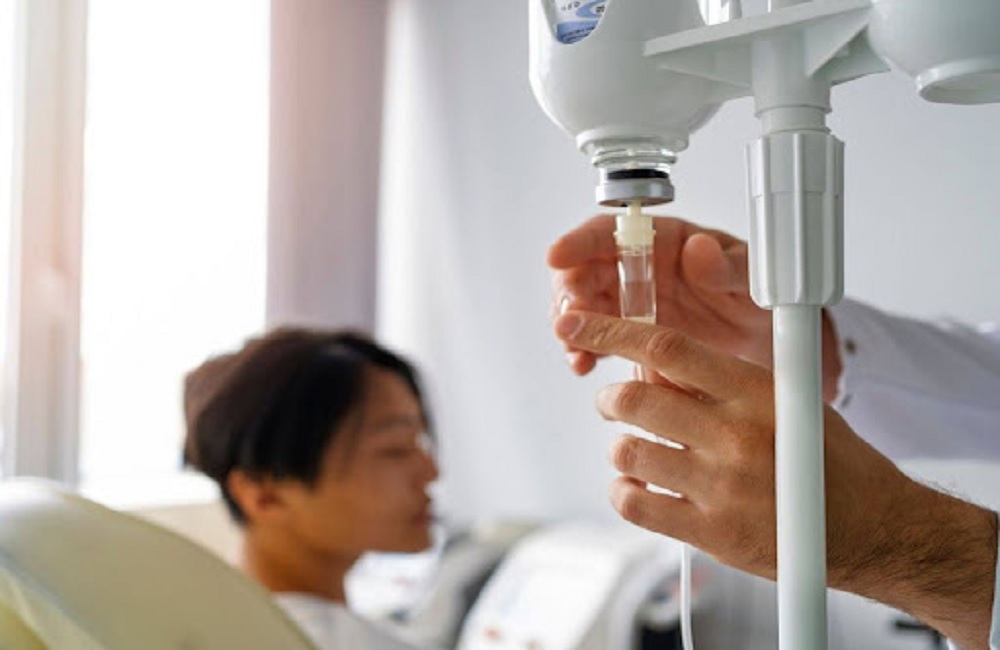
Many people searching for how to cure chronic kidney disease are looking for clear answers about early signs, possible recovery, and available treatment options. While chronic kidney disease has no permanent cure, early detection and proper medical care can help slow its progression and support better long-term kidney health.
At NephroPlus in Makati City, patients receive structured kidney care support, including guidance on treatment pathways and dialysis options when needed. The focus is on helping individuals manage their condition effectively while improving their quality of life through professional, continuous care.
What People Really Mean When Asking About Kidney Disease Cure
Many people searching for this topic are usually trying to understand whether kidney damage can be reversed, how early-stage conditions may improve, and what treatments are available to prevent kidney failure. The goal is often to find hope for recovery and clear guidance on what steps can actually make a difference.
In reality, chronic kidney disease is a long-term condition that cannot be fully cured. However, early-stage cases can often be managed effectively, and progression can usually be slowed with proper care and timely treatment, helping patients maintain better kidney function and quality of life.
https://www.healthline.com/ckd
Early signs of chronic kidney disease you should not ignore
CKD often develops silently, with little to no noticeable symptoms in the early stages. Because of this, early detection plays an important role in managing the condition and preventing further decline in kidney function.
Common early signs include fatigue and low energy, swelling in the ankles or feet, changes in urination frequency, foamy or dark urine, mild nausea or loss of appetite, and difficulty concentrating. Many patients do not notice these symptoms until kidney function has already declined, making routine blood and urine tests essential for early detection, including checks for electrolyte balance. Early intervention provides the best chance to slow progression and protect kidney health.
https://www.nhs.uk/conditions/kidney-disease/symptoms/
Can chronic kidney disease be cured or reversed
The most important medical fact is that chronic kidney disease cannot be fully cured. However, the outlook depends on the stage of the condition and how early it is detected and managed.
In some early cases, kidney function may remain stable for a long period, and progression can often be slowed with proper care.
Stage 1–2
Kidney damage is usually mild at this stage. Many people may not notice significant symptoms, and kidney function can remain stable for years.
With early management, progression can often be significantly slowed through lifestyle changes and medical care.
Stage 3
Moderate loss of kidney function occurs at this stage. It requires more consistent medical monitoring and structured treatment.
The risk of further progression increases, making regular checkups and adherence to treatment very important.
Stage 4–5
Severe loss of kidney function is present, and kidney performance is significantly reduced. At this stage, advanced treatment options such as dialysis or transplant may be required.
In some cases where the underlying cause is reversible, early intervention may still improve certain aspects of kidney function.
Overall, chronic kidney disease is managed rather than cured, but early action can significantly influence long-term outcomes and quality of life.
https://www.who.int/news-room/fact-sheets/detail/kidney-disease
The dialysis process and how it supports patients with kidney failure
When the kidneys can no longer filter waste effectively, dialysis becomes necessary. It is a medical treatment that helps perform some of the essential functions the kidneys can no longer do. This process helps patients maintain a more stable internal balance.
What dialysis does
Dialysis removes waste and toxins from the blood, helping prevent harmful buildup in the body. It also balances electrolytes such as sodium and potassium to keep the body functioning properly. In addition, it helps control excess fluid that the kidneys can no longer eliminate.
Types of dialysis
Hemodialysis filters the blood using a dialysis machine and is usually performed several times per week in a clinical setting. It is commonly done in specialized treatment centers where patients receive supervised care. Peritoneal dialysis, on the other hand, uses the lining of the abdomen as a natural filter and may be performed at home in suitable cases.
What patients experience
Patients usually follow a regular treatment schedule to manage their condition effectively. They also receive continuous monitoring from healthcare professionals to ensure safety and proper care. Dietary and fluid intake guidance is often included to support better health outcomes during treatment.
Care and support during dialysis
Structured dialysis care includes clinical supervision, treatment planning, and ongoing patient support. This approach helps individuals adjust to long-term treatment while maintaining quality of life. Consistent care and monitoring play an important role in managing kidney failure effectively.
Lifestyle changes that help slow kidney disease
Lifestyle changes play an important role in slowing the progression of chronic kidney disease. While there is no cure, adopting healthier daily habits can help support kidney function and reduce the risk of further complications over time.
Recommended changes include controlling blood pressure, managing blood sugar levels, reducing salt intake, following a kidney-safe diet, avoiding unnecessary pain medications, and staying physically active. These adjustments do not reverse kidney disease, but they can help maintain overall health and support better long-term outcomes when combined with regular medical monitoring.
https://www.cdc.gov/kidney-disease/living-with/index.html
Recovery expectations and long-term outlook
Recovery outcomes depend heavily on how early the condition is identified and managed. When detected at an early stage, kidney function can often remain stable for longer, whereas a later diagnosis may limit available treatment options. Ongoing monitoring plays a key role in slowing disease progression and maintaining overall kidney health.
Many individuals can live long, active lives when the condition is properly managed through consistent medical care, dialysis when required, and healthy lifestyle adjustments. Structured care pathways and regular follow-ups help improve quality of life and support better long-term outcomes.
https://www.kidney.org/kidney-topics/chronic-kidney-disease-ckd
FAQs about chronic kidney disease
1. Can chronic kidney disease be cured permanently?
No, chronic kidney disease cannot be permanently cured. However, early treatment and proper management can significantly slow its progression.
2. What are the first warning signs of kidney disease?
Early signs may include fatigue, swelling in the legs or feet, changes in urination, and foamy urine. These symptoms often appear gradually and may be overlooked at first.
3. Can early-stage kidney disease improve?
Some early cases may stabilize when the underlying cause is properly treated. With timely care, kidney function can often be maintained for longer.
4. When is dialysis required?
Dialysis is usually required when the kidneys can no longer filter waste and fluids effectively, often in advanced stages. At this point, medical intervention is needed to support normal body functions.
5. What is the dialysis process like?
Dialysis works by filtering waste, toxins, and excess fluid from the blood using a machine or the abdominal lining. It helps maintain balance in the body when the kidneys are no longer functioning properly.
6. Where can kidney patients get treatment in Makati?
Specialized kidney care and dialysis services are available in Makati City. Patients can access structured treatment and ongoing medical support to manage their condition effectively.
Conclusion
Searching for how to cure chronic kidney disease often leads to confusion, but the medical reality is clear: chronic kidney disease cannot be fully cured. However, early detection, proper management, and timely care, including the dialysis process, can significantly improve outcomes and quality of life.
For guidance, assessment, or treatment support, you may contact the following numbers: 917 875 0001 / 917 875 0002 / 917 875 0003.
NephroPlus provides structured kidney care and dialysis services designed to support patients at every stage of chronic kidney disease. Reaching out early can make a meaningful difference in managing the condition effectively.


