


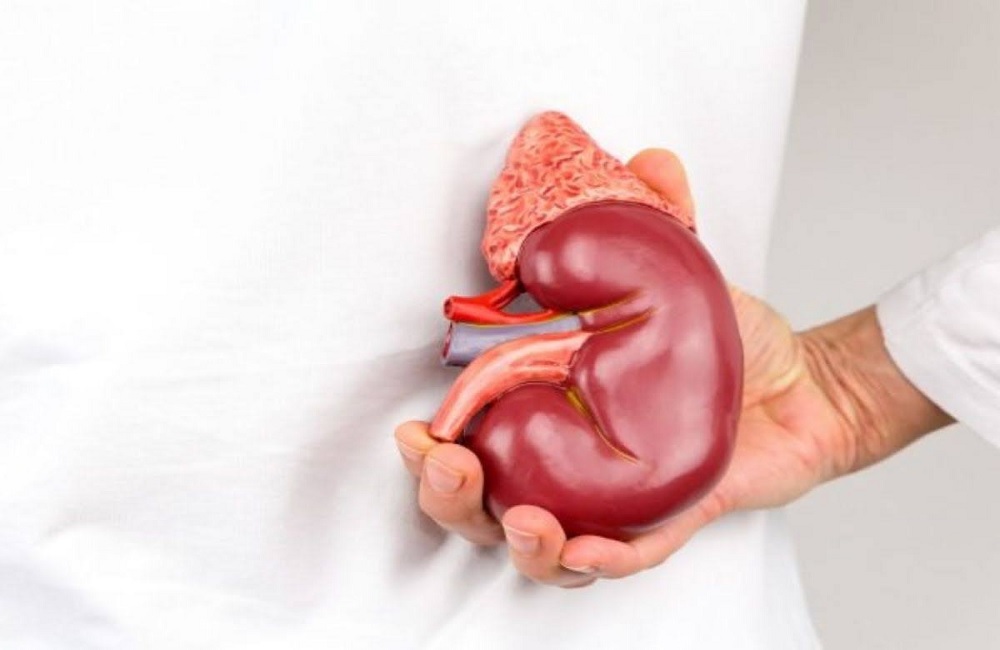
Chronic kidney disease often develops silently, making it difficult to detect in its early stages. Understanding how to avoid chronic kidney disease is important because early action can significantly lower your risk and help protect kidney function for the long term.
This guide explains simple kidney health tips, practical lifestyle habits, and important medical care options that support healthy kidneys for life. For professional kidney care support and dialysis services, NephroPlus in Makati provides trusted care to help patients manage and maintain long-term kidney wellness.
Understanding Chronic Kidney Disease Risk
Chronic kidney disease (CKD) happens when the kidney gradually lose their ability to filter waste and excess fluids from the blood. This decline often develops slowly, making it difficult to notice in the early stages. As kidney function weakens, waste can build up in the body and lead to serious health complications if not managed properly.
Common risk factors include diabetes, high blood pressure, long-term use of pain relievers such as NSAIDs, a family history of kidney disease, and conditions like heart disease and obesity. Because kidney damage often develops without obvious symptoms, early detection through regular checkups and routine screening is important for protecting long-term kidney health.
https://www.cdc.gov/kidney-disease/about/?CDC_AAref_Val=https://www.cdc.gov/kidneydisease/basics.html?utm
How Chronic Kidney Disease Develops
Chronic kidney disease develops slowly over time as damage builds up in the kidney filtering units, making it harder for them to properly clean the blood. In the early stages, kidney stress may not cause any noticeable symptoms, which is why many people are unaware that damage is already occurring.
As the condition progresses, kidney function continues to decline, leading to reduced filtration efficiency and the gradual buildup of waste in the body. In more advanced stages, kidney impairment becomes severe and may eventually lead to kidney failure requiring dialysis or a kidney transplant. Symptoms such as fatigue, swelling, and changes in urination usually appear only in later stages when kidney function is significantly reduced.
Kidney Health Tips to Avoid Chronic Kidney Disease
Protecting your kidneys starts with daily habits that support overall body function. These kidney health tips can significantly lower the risk of developing chronic kidney disease over time.
1. Control blood pressure and blood sugar
Uncontrolled diabetes and high blood pressure are two of the leading causes of kidney damage. Keeping both within a healthy range helps protect kidney function and slow disease progression.
2. Stay hydrated properly
Proper hydration helps the kidneys remove waste and maintain fluid balance in the body. However, fluid intake should still be based on individual health needs and medical advice.
3. Reduce salt intake
High sodium intake can increase blood pressure and place extra stress on the kidneys. Reducing salt helps support better kidney and heart health.
4. Limit processed foods
Processed and packaged foods often contain high levels of hidden salt and preservatives. Reducing these foods can help lower kidney strain and improve overall nutrition.
5. Avoid overuse of painkillers
Frequent use of NSAIDs and similar pain medications may damage kidney tissues over time. Using them only when necessary and under guidance helps protect kidney health.
6. Stay physically active
Regular physical activity improves blood circulation and helps maintain a healthy weight. Both factors play an important role in supporting kidney function.
7. Get routine kidney screening
Routine blood and urine tests help detect early signs of kidney problems before symptoms appear. Early detection allows for timely intervention and better long-term outcomes.
Diet and Lifestyle Support for Kidney Protection
Food choices play a major role in maintaining healthy kidney function. A balanced diet can help reduce strain on the kidneys and support overall long-term wellness. Kidney-supportive foods include fresh vegetables prepared with low sodium, fruits such as apples and berries, fish rich in omega-3 fatty acids, and whole grains consumed in controlled portions.
On the other hand, certain foods should be limited to protect kidney health. These include instant noodles, processed meats, sugary drinks, high-sodium snacks, and excessive red meat consumption. Following a kidney-friendly diet helps reduce pressure on the body’s filtration system and supports better kidney function over time.
https://www.kidney.org/nutrition
Kidney Care and Dialysis Support in Advanced Cases
When kidney function declines significantly, medical support becomes necessary. At this stage, structured treatment helps manage waste buildup and supports overall health. At NephroPlus, kidney care services include structured dialysis support and patient-centered treatment planning. Care is designed to help patients maintain quality of life through professional supervision.
Hemodialysis
Hemodialysis is a treatment in which blood is filtered through a dialysis machine to remove waste products and excess fluid. It is typically performed in scheduled sessions under medical supervision to support patients with advanced kidney disease.
Peritoneal Dialysis
Peritoneal dialysis uses the lining of the abdomen as a natural filter to help remove waste from the body. A special fluid is introduced into the abdominal cavity to support continuous cleansing.
These treatments help maintain quality of life when the kidneys can no longer function effectively. They are recommended based on a patient’s condition and medical assessment.
https://www.niddk.nih.gov/health-information/kidney-disease/chronic-kidney-disease-ckd

Prevention Plan for Long-Term Kidney Health
A structured approach helps reduce risk:
Daily habits
Drink water consistently
Avoid excessive salt
Maintain a healthy weight
Weekly habits
Exercise at least 3–5 times
Monitor blood pressure if at risk
Annual habits
Kidney function tests (especially for diabetics or seniors)
Full metabolic screening
Early prevention is more effective than treatment after damage occurs.
https://www.health.harvard.edu/healthy-aging-and-longevity/kidney-health-quick-start-guide
Frequently Asked Questions
1. How can chronic kidney disease be prevented?
Chronic kidney disease can be prevented by controlling blood pressure and managing diabetes effectively. Reducing salt intake and attending regular kidney checkups also help protect long-term kidney health.
2. What are the early signs of kidney problems?
Early signs may include fatigue, swelling in the feet, and noticeable changes in urination. Some people may also experience loss of appetite as kidney function begins to decline.
3. Can diet help prevent kidney disease?
Yes, a balanced, low-sodium diet helps reduce stress on the kidneys. Proper nutrition supports overall kidney function and lowers long-term risk.
4. Who is at higher risk of kidney disease?
People with diabetes, high blood pressure, or heart disease are at greater risk of developing kidney problems. A family history of chronic kidney disease also increases the likelihood.
5. When should kidney screening start?
Individuals with risk factors are often advised to start kidney screening in early adulthood. Regular testing helps detect problems early before symptoms become severe.
https://www.cdc.gov/kidneydisease/
Take Control of Your Kidney Health Before Problems Start
Understanding how to avoid chronic kidney disease starts with applying practical kidney health tips through simple but consistent lifestyle choices that support long-term kidney function. Regular hydration, balanced nutrition, blood pressure control, and routine health checkups all play an important role in reducing the risk of kidney damage and maintaining overall wellness.
For individuals who need professional kidney care, dialysis guidance, or screening services, NephroPlus provides trusted care at its Makati location.
Visit: Unit 24M, 24th Floor, Century Diamond Tower, Makati City
Call: 917 875 0001 / 917 875 0002 / 917 875 0003
Website: https://nephroplus.ph/
Taking proactive steps today can help protect kidney health and improve long-term quality of life.


