Kidney & Dialysis - Nephroplus
Kidney Care & Dialysis
-A Basic Guide
Know Your Kidneys
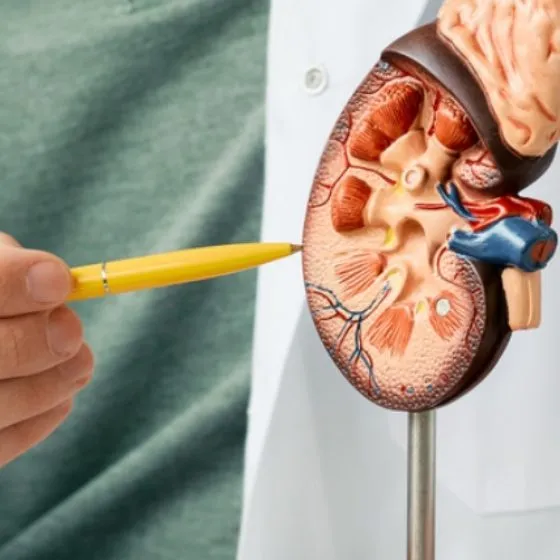
Your kidneys remove wastes and extra fluid from your body. Your kidneys also remove acid that is produced by the cells of your body and maintain a healthy balance of water, salts, and minerals—such as sodium, calcium, phosphorus, and potassium—in your blood. Without this balance, nerves, muscles, and other tissues in your body may not work normally.
Your kidneys also make hormones that help control your blood pressure, make red blood cells and keep your bones strong and healthy.
Both kidneys together filter 200 litres of fluid every 24 hours.
Chronic Kidney Disease (CKD)
The term Chronic Kidney Disease (CKD) is commonly used to describe a disease or condition that impairs the kidney function, causing kidney damage to worsen over several months or years. CKD is divided into five stages – ranging from mild loss of kidney function to kidney failure. The stages are based on the eGFR test result and how well the kidneys work to filter waste and extra fluids out of the body.

Stages of CKD
There are two ways to find out the stage of CKD as follows:
- eGFR tests
- Urine tests
Based on the above tests, CKD can be divided in 5 stages
GFR in mL/min:
90 or higher
What it means
Stage 1 CKD means one has a normal eGFR of 90 or greater and mild damage to the kidneys. Since the kidneys are still working well, one may or may not have any symptoms such as presence of protein in the urine.
Symptoms:-
- High blood pressure
- Swelling in hands and feet
- Urinary tract Infections
- Presence of protein in urine
- Presence of blood in urine
GFR in mL/min:
60-89
What it means
Stage 2 CKD means eGFR has gone down to between 60 and 89, and there’s mild damage to the kidneys. Most of the time, the kidneys work well, so one may not have any symptoms.
Symptoms:-
- High blood pressure
- Swelling in hands and feet
- Urinary tract Infections
- Presence of protein in urine
- Presence of blood in urine
GFR in mL/min:
30-59
What it means
Stage 3 CKD means one has an eGFR between 30 and 59 with mild to moderate damage to the kidneys. They do not work as well as they should to filter waste and extra fluid out of the blood.
Stage 3 CKD is split into two substages based on the eGFR.
Symptoms:-
- High blood pressure
- Bone diseases
- Weakness
- Swelling of hands and feet
GFR in mL/min:
15-29
What it means
Stage 4 CKD symbolises an eGFR between 15 and 29 with moderate to severe damage of kidneys. They do not work as well as they should to filter waste out of the blood.
Symptoms:-
- High blood pressure
- Heart diseases
- Swelling of hands and feet
- Pain in lower back
GFR in mL/min:
Less than 15
What it means
Stage 5 CKD means one has an eGFR less than 15 with severe kidney damage. The kidneys are getting very close to failure or have already failed (stopped working).
Symptoms:-
- Loss of appetite
- Nausea
- Headache
- Weakness
- Muscle cramps
- Skin pigmentation
Prevention from CKD
Considering the functions of kidney as mentioned above, it is important to take steps to prevent the progression of CKD.

Manage alcohol intake
Drinking excessive amounts of alcohol can cause your blood pressure and cholesterol levels to rise to unhealthy levels.
It is advised not to regularly drink more than 14 units a week.
* 14 units is equivalent to 6 pints of average-strength beer or 10 small glasses of low-strength wine.

Healthy diet
A healthy, balanced diet can reduce your risk of kidney disease by keeping your blood pressure and cholesterol at a healthy level.
A balanced diet should include plenty of fruits and vegetables, some beans or pulses.

Exercise regularly
Regular exercise should help lower your blood pressure and reduce your risk of developing kidney disease.
Pick activities such as walking, swimming, bicycling, skiing, aerobic dancing, zumba or any other activities which involves continuous movement of muscles.

Stop smoking
Smoking increases your risk of cardiovascular disease, including heart attacks or strokes, which is associated with a higher risk of CKD.
Stopping smoking will improve your general health and reduce your risk of these serious conditions.

Be careful with painkillers
A healhy, balanced diet can reduce your risk of kidney disease by keeping your blood pressure and cholesterol at a healthy level.
A balanced diet should include plenty of fruits and vegetables, some beans or pulses.
Treatments for CKD
There are various treatments available to treat CKD that can
help the patient to lead a normal life. These include:
Hemodialysis
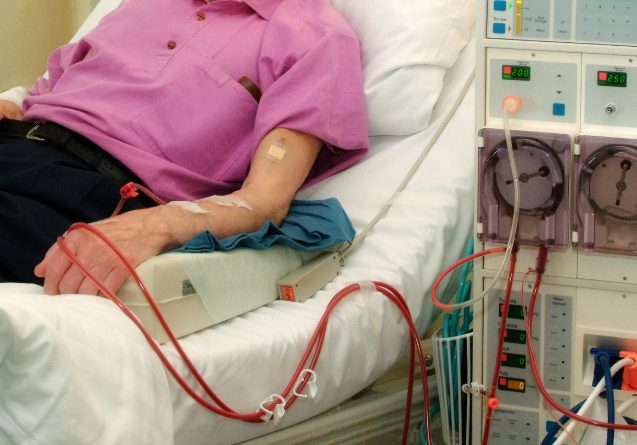
Hemodialysis is a form of dialysis where dialysis is performed intermittently. The blood in the body is continuously removed during the hemodialysis process and passed through an artificial kidney which cleans it. The treatment is an intermittent treatment and is performed ranging from three hours thrice weekly to eight or nine hours six to seven times a week.
Peritoneal Dialysis
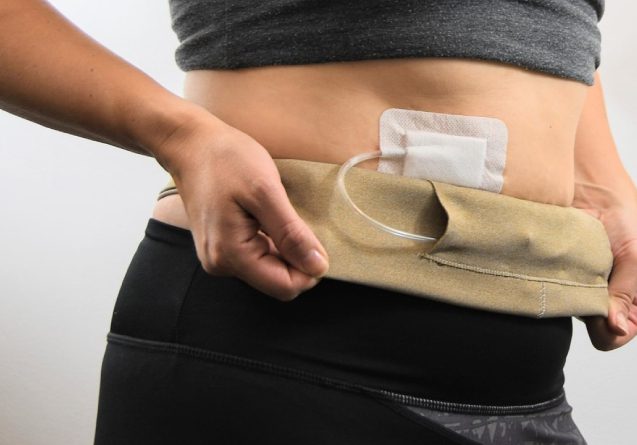
Peritoneal Dialysis is a form of dialysis where a special fluid is infused into a cavity called the peritoneal cavity inside your abdomen and kept there for a few hours. During this period, toxins and excess fluid in your body gets transferred to this fluid through a semipermeable membrane called the peritoneal membrane enclosing the peritoneal cavity. After the period, the fluid is removed from the body and fresh fluid is infused into the abdomen.
Kidney Transplant
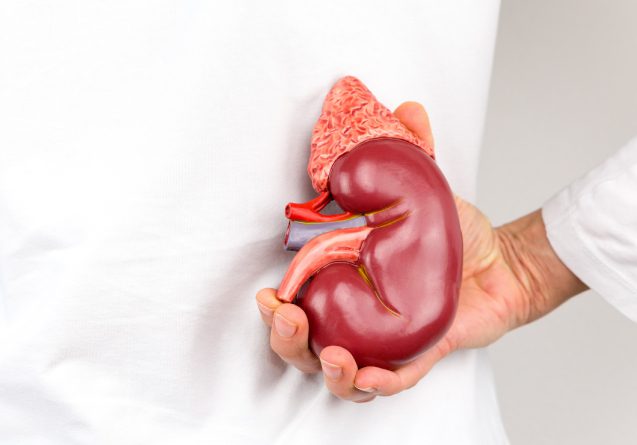
Kidney Transplant is a surgery that is done to replace a failed/unhealthy kidney with a healthy one, taken from a living or a deceased donor. It is often the treatment of choice for kidney failure and can treat end-stage renal disease to help one live a longer, healthier life.
Conservative Care
Conservative Care means that the care continues without dialysis or a kidney transplant. Here, the focus is on lifestyle and symptom control. While this won’t cure Chronic Kidney Disease (CKD), it is focused on providing the best quality of life and avoiding treatments that include hospital stays.
Access management
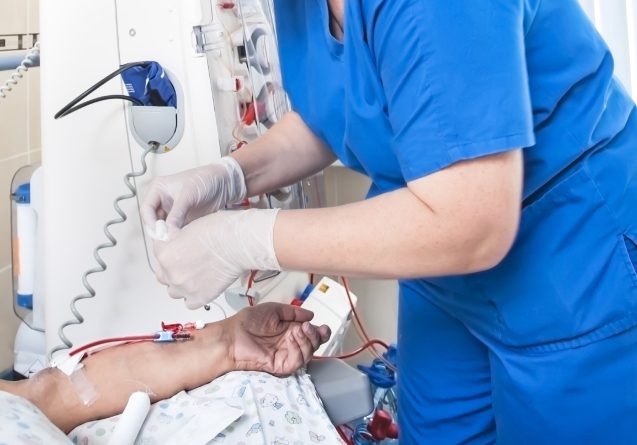
At NephroPlus, our healthcare professionals are well-trained to manage this seamlessly and ensure that the patients are informed well-enough to keep their access clean in order to prevent infections and ensure favorable outcomes.
In Hemodialysis, there has to be a convenient mechanism to remove blood from the body and return it to the body after passing through the artificial kidney. For this, an “access” is created. An access can be of different types. An Arteriovenous Fistula is thought to be the best form of access for which a small surgery is performed. The fistula is usually ready within a few weeks of the surgery. Needles connected to tubes are then inserted into a vein in the body using which the blood is drawn and passed through the artificial kidney by a pump. Another access is a Tunneled catheter where a catheter is inserted in the chest and can be used for several months. Temporary accesses such as Non-tunneled catheters are used when dialysis needs to be started immediately or is needed for short periods of time. All catheters are prone to infections and great care needs to be taken to keep them healthy.
For Peritoneal Dialysis, a tube is inserted into the stomach that goes and rests in the Peritoneal Cavity. This is also an external access and requires good care to prevent infections.
Healthy approach to living on dialysis
Explore new ways to transform your life by celebrating the joy of living –
because dialysis should remain a small part of life.

Plan your routine
There are a number of advantages of continuing to work and pursue hobbies while on dialysis. Staying busy with the things that interest you can help you maintain a sense of normalcy.

Eat well with kidney disease
Part of staying healthy on dialysis involves eating a dialysis-friendly diet that supports your health and well-being. Your dietitian can help you find the best foods that will suit you and that you can enjoy.

Consider your treatment options
Choosing the dialysis method that works best with your unique lifestyle is important. Try fitting dialysis in your lives seamlessly since most people can choose any dialysis option as per their convenience.

Explore new places
Most people stay away from holidays as they are unsure about the quality of dialysis services available at the destination of their vacation. With NephroPlus presence at your favourite holiday destinations, it becomes easier to take a break.
Nephro Reads
Explore our latest blogs to declutter your ideas around kidney diseases, dialysis, types of treatments, diet preferences and much more. Stay updated and stay well with Nephro Reads!


Kidney Health Assessment
Want to know how healthy your kidneys are? Take the kidney health assessment test today.